

Ozone Therapy for Animals | Veterinary Ozone Therapy for Healing, Immunity & Pain Relief

Veterinary Ozone Therapy in Natural and Integrative Medicine
Ozone therapy for animals is an advanced integrative veterinary treatment that uses medical-grade ozone (O₃) to support healing, improve oxygen utilization, modulate immune function, and enhance cellular repair. In holistic veterinary medicine, ozone therapy is widely used for chronic disease, infections, inflammation, pain management, and degenerative conditions.
This natural therapy supports the body’s ability to heal rather than suppressing symptoms, making it a valuable tool in functional and regenerative veterinary care.
What Is Veterinary Ozone Therapy?
Veterinary ozone therapy uses a controlled form of oxygen (ozone gas) to create therapeutic biological responses in the body. Ozone is a highly reactive molecule that stimulates oxygen metabolism, immune regulation, detoxification, and tissue regeneration.
When used appropriately, ozone therapy acts as a biological response modifier that helps restore balance in the body.
Benefits of Ozone Therapy in Veterinary Medicine
Ozone therapy offers a wide range of physiological benefits for animals, especially those with chronic or complex conditions.
Cellular Health and Anti-Aging Benefits of Ozone Therapy
Ozone therapy supports deep cellular function and repair, contributing to overall vitality and longevity.
- Supports anti-aging effects through improved cellular function
- Increases oxygenation of body cells and tissues
- Enhances mitochondrial energy (ATP) production
- Activates antioxidant enzyme systems
- Reduces systemic acidity and supports internal balance
Immune System Modulation with Ozone Therapy
Ozone therapy helps regulate immune system activity rather than overstimulating or suppressing it.
- Modulates (balances) immune system response
- Activates immune defenses in infectious disease states
- Supports immune resilience in chronic illness
- Helps the body respond appropriately to inflammatory triggers
Antimicrobial Effects of Veterinary Ozone Therapy
One of the most well-known benefits of ozone therapy is its strong antimicrobial activity.
- Kills bacteria on contact
- Inactivates viruses
- Helps reduce fungal and microbial burden
- Supports resolution of chronic infections
Pain Relief, Inflammation Reduction, and Tissue Regeneration
Ozone therapy is widely used in veterinary pain management and regenerative medicine.
- Reduces chronic pain through interaction with pain receptors
- Improves oxygen delivery in ischemic tissues (cardiovascular and degenerative conditions)
- Stimulates growth factor release for joint and disc regeneration
- Supports the healing of degenerative disc disease and arthritis
- Enhances recovery from musculoskeletal injury
Ozone Therapy as Adjunct Cancer and Chronic Disease Support
Ozone therapy may be used as part of a comprehensive integrative oncology or chronic disease protocol.
- Supports oxidative balance in abnormal cellular environments
- Used as adjunctive therapy in cancer support programs (Not a standalone cancer treatment.)
Enhanced Results with Integrative Veterinary Therapies
Ozone therapy works synergistically with other holistic and regenerative veterinary treatments.
- Enhances chiropractic care outcomes
- Supports acupuncture effectiveness
- Complements rehabilitation and physical therapy
- Improves response to detoxification and nutrition protocols
Conditions Treated with Veterinary Ozone Therapy
Ozone therapy for animals is commonly used to support a wide range of conditions, including:
- Chronic arthritis and joint degeneration
- Intervertebral disc disease (IVDD)
- Chronic infections (bacterial, viral, fungal)
- Skin conditions and allergic disease
- Autoimmune disorders
- Chronic pain syndromes
- Gastrointestinal inflammation
- Wound healing disorders
- Cardiovascular and circulation issues
- Urinary tract inflammation (cystitis)
Veterinary Ozone Therapy Application Methods
Ozone therapy is highly versatile and can be administered in multiple ways depending on the condition being treated.
Systemic Ozone Therapy Methods
- Major Autohemotherapy (MAH): Blood is drawn, ozonated, and reinfused into a major vessel
- Direct IV Ozone Therapy: Controlled intravenous administration into a major vessel
- Intraperitoneal ozone therapy: Ozone delivered into the abdominal cavity
- Ozonated glycerine therapy: Used via IV, SQ, oral, topical, ophthalmic, nebulization, or intra-articular routes
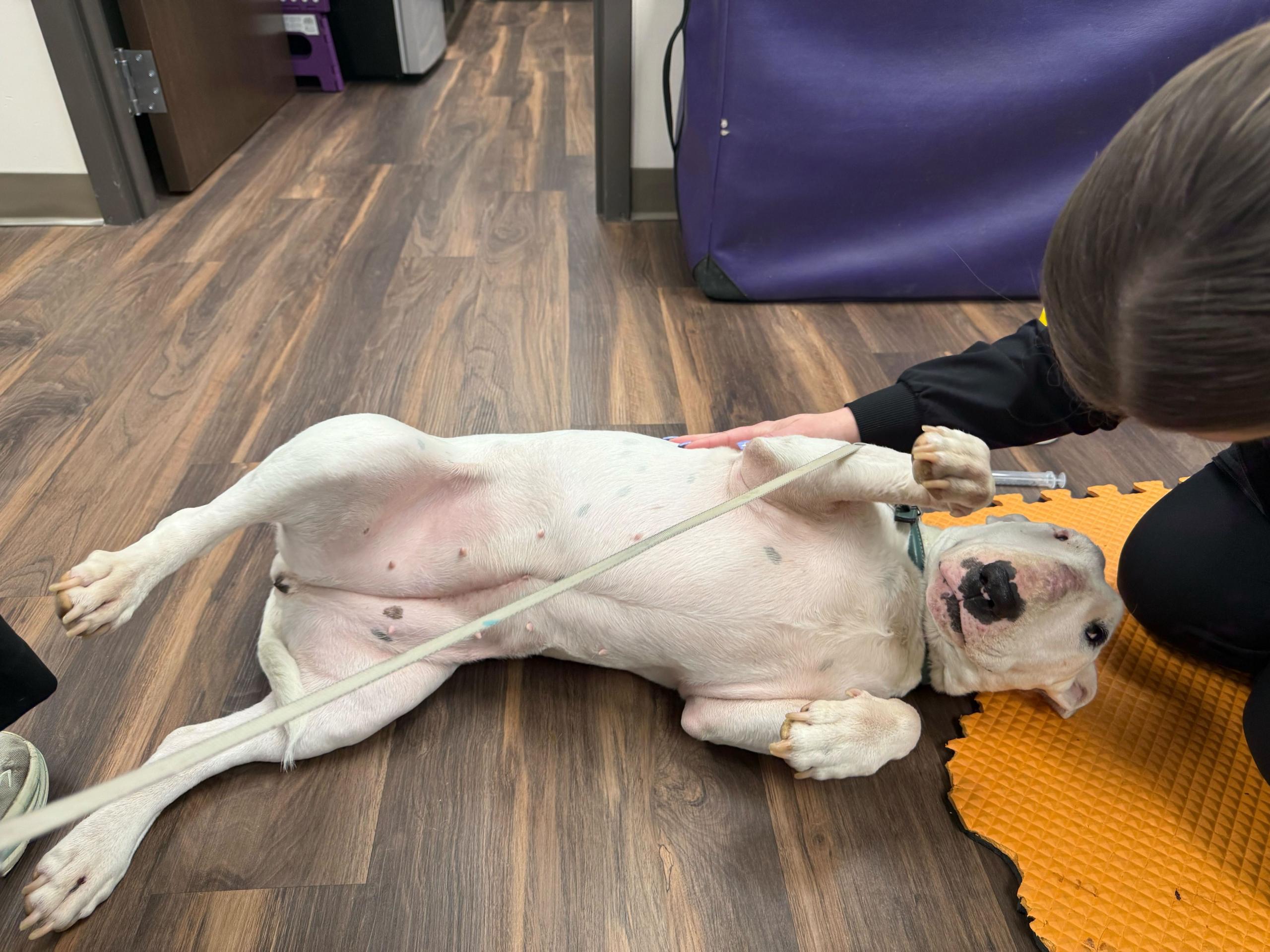
Major Autohemotherapy (MAH) Therapy
Blood-Based Ozone Therapy
- Minor Autohemotherapy: Blood is ozonated and injected into the muscle for immune stimulation
Joint and Spine Ozone Therapy (Prolozone)
- Prolozone therapy: Ozonated solution injected into joints, muscles, or acupuncture points
- Intra-articular ozone therapy: Used for arthritis and joint degeneration
- Spinal and disc ozone injections: Applied at interspinous spaces and facet joints for disc disease
Topical and Local Ozone Applications
- Rectal or vaginal insufflation: Systemic immune and detox support
- Limb or body bagging: Humidified ozone applied to affected areas
- Ozonated saline: Topical, injectable, or IV use
- Ozonated water: Oral or topical use
- Ozonated olive oil: Stable topical treatment for wounds, skin, and sensitive tissues
Specialized Veterinary Ozone Treatments
- Subconjunctival injections: Corneal ulcers and dry eye conditions
- Dental ozone therapy: Gingival and tooth apex injections for deep infection
- Urinary bladder insufflation: Chronic cystitis and bladder inflammation
- Ear (auricular) ozone therapy: Vestibular disease, ear infections, and inflammation
- Intraperitoneal ozone therapy: Systemic immune and detox support in chronic disease
Safety of Ozone Therapy in Veterinary Medicine
When performed by a trained veterinary professional using medical-grade equipment, ozone therapy is considered safe and well tolerated.
Treatment protocols are individualized based on:
- Species and body condition
- Disease severity and chronicity
- Sensitivity and immune status
- Concurrent therapies and medications
Proper dosing and administration method selection are essential for safety and effectiveness.
Integrative Veterinary Approach to Ozone Therapy
Ozone therapy is most effective when combined with a whole-body, functional medicine approach.
This may include:
- Species-appropriate, low-carbohydrate nutrition to reduce microbial overgrowth
- Gut microbiome restoration and fermented food support for microbial diversity and nutrient absorption
- Liver and detoxification support protocols
- Targeted nutritional supplementation
- Regenerative therapies and physical rehabilitation
This integrated approach supports long-term healing, not just symptom management.
What to Expect from Ozone Therapy for Animals
Treatment response varies depending on the condition and overall health status of the patient.
Some animals experience rapid improvement, while chronic cases often require a series of treatments to achieve optimal results.
The goal of veterinary ozone therapy is to:
restore balance, improve cellular function, reduce pathological load, and support long-term healing.
Is Veterinary Ozone Therapy Right for Your Pet?
Veterinary ozone therapy may be appropriate for animals suffering from chronic illness, inflammation, infection, pain, or degenerative disease.
A full veterinary consultation is required to determine whether ozone therapy is appropriate and to design a customized treatment plan.
Schedule a consultation with us to find out if ozone therapy is the best fit for your pet.
📞 (417) 866-2923
📧 [email protected]
Related reading: Ozonated Glycerin for Pets: Advanced Support for Healing, Immunity & Chronic Disease